“Our association is grateful for those legislators who voted to support this legislation and understood the core of this bill, to protect our consumers, the beef industry, and animal agriculture.”
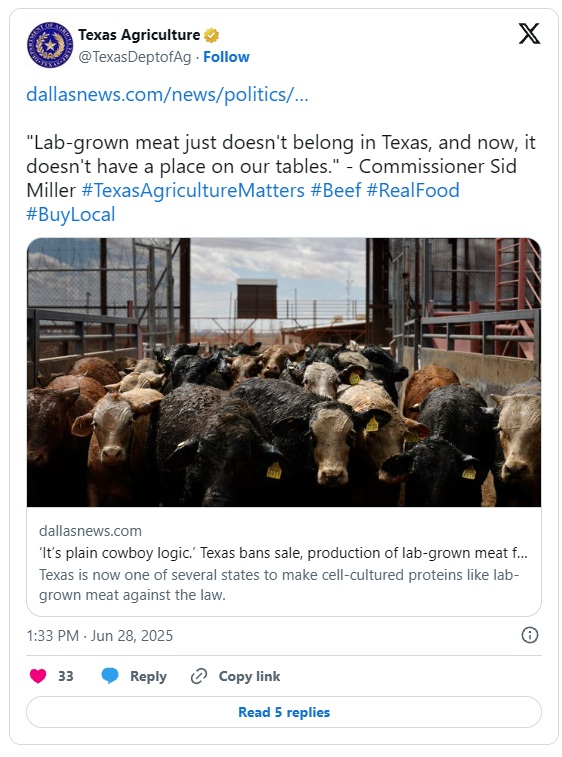
The law comes even though lab-grown “meat” has yet to gain a foothold in Texas.
According to the Texas Tribune, only one restaurant, Otoko in Austin, was offering the product before the ban took effect.
Opponents of the ban argue it prioritizes industry interests over consumer choice.
“The Texas ban on cultivated meat is a classic example of special interest legislation,” said Paul Sherman, senior attorney at the Institute for Justice, in comments to The Dallas Morning News.
“The law has nothing to do with public health and safety, and everything to do with protecting the powerful agriculture lobby from innovative out-of-state competition.”
Sherman, who is already leading a legal challenge against Florida’s similar ban, suggested Texas could be next in line for a court fight.
“We are hopeful that the courts will stand up for the right of consumers to choose for themselves what foods they want to eat,” he said.
Unless blocked by the courts, the law will remain in effect through 2027.
In the meantime, ranchers say it will help preserve confidence in traditional beef products, while critics say it denies Texans the right to experiment with alternatives.
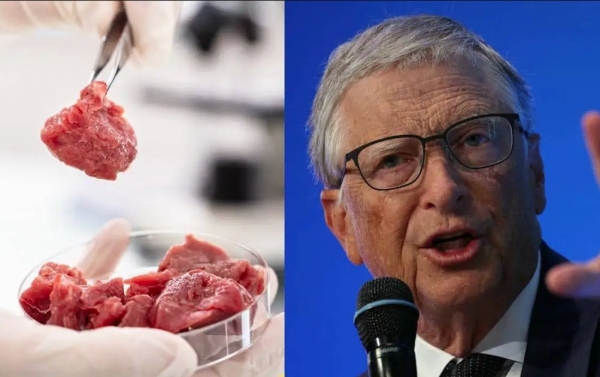
The clash mirrors a broader national debate as ranching states line up against biotech companies seeking to market meat grown in labs instead of pastures.



















 Date: 04. Sep, 2025
  131 views,
  0 comments


